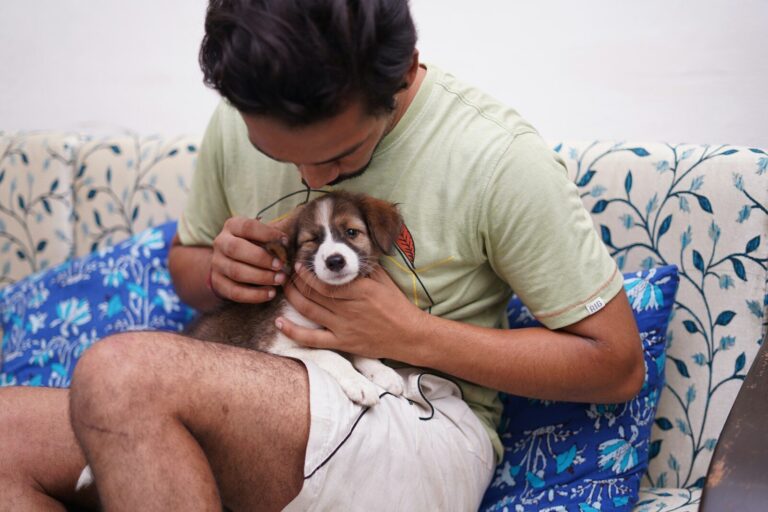
The Puppy Socialization Window: The Eight Weeks That Shape Your Dog’s Entire Personality
Between approximately three and sixteen weeks of age, puppies are in a neurological state that developmental behaviorists call the critical socialization period. During this window, the puppy brain is uniquely primed to form associations with new experiences as normal rather than threatening — associations that, if formed positively, last the entire lifetime of the dog. A puppy exposed to dozens of different people, sounds, surfaces, animals, and environments during this window and paired with good experiences develops a dog that takes novelty in stride. A puppy that experiences limited variety during this window may spend its entire adult life reacting fearfully to experiences it never encountered as a puppy.
What Socialization Actually Means
Socialization does not mean exposure to new things. It means positive exposure — experiences that the puppy approaches willingly and associates with good outcomes. A puppy that is flooded with overwhelming experiences or forced into situations that frighten it does not become socialized; it becomes sensitized, more fearful than before the experience. The goal is to arrange new experiences so the puppy has control, can approach at its own pace, and consistently associates the new stimulus with something positive, typically food treats or play.
The Socialization Checklist
People: different ages including children, people wearing hats or uniforms, people with walking aids, people of different appearances. Sounds: traffic, loud music, thunderstorms, vacuum cleaners, construction sounds, fireworks (played at low volume on a speaker, gradually increased). Surfaces: grass, gravel, tile, carpet, metal grating, stairs of different types. Animals: other dogs that are known to be vaccinated and good with puppies, cats if the household will have them, livestock if the dog will encounter them. Handling: examination of ears, mouth, and paws by multiple people, nail trimming, grooming procedures. Environments: car rides, veterinary office, pet supply stores that allow dogs, suburban and urban environments if the dog lives in a different setting.
Balancing Socialization with Vaccination Risk
Puppies aren’t fully vaccinated until approximately 16 weeks, creating a real tension between socialization need and disease risk. The American Veterinary Society of Animal Behavior recommends puppy socialization classes and controlled socialization well before the vaccination series is complete, noting that behavioral issues from inadequate socialization are a greater risk to the average puppy’s long-term welfare than the disease risk of carefully managed socialization. Avoid dog parks and high-traffic uncontrolled dog areas before vaccination is complete. Well-run puppy classes with health screening, controlled play with known vaccinated dogs, and carrying the puppy in high-traffic areas to expose to sounds and sights without ground contact are appropriate compromises.